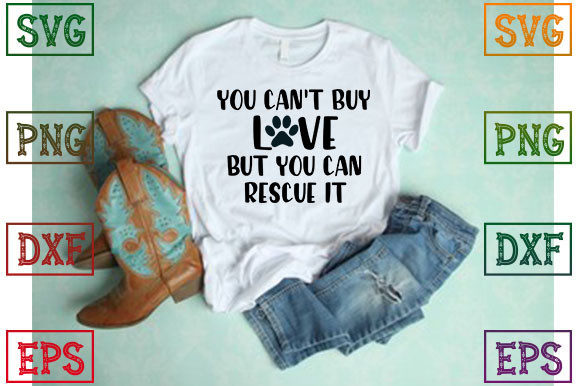
You Can’t Buy Love, But You Can Rescue It
Every embroidery file I evaluate starts on my screen, but I always picture it on fabric. This is where a digital design earns its keep. Today, I’m looking at ‘You Can’t Buy Love, But You Can Rescue It.’ Right away, it lands as a warm, clever, and deeply relatable sentiment. It’s a typography-based design, clean and straightforward, but the message carries all the weight.
A Design That Feels Like a Hug
The first impression is one of gentle advocacy. It’s not loud or aggressive; it’s a soft, persuasive statement. The layout is the star here—a simple, well-arranged phrase that invites a smile or a nod of agreement. There’s no complex imagery to compete with the words, which makes it a perfect candidate for projects where the message itself is the decoration. You’re not just stitching letters; you’re stitching a feeling. This design has a personality that’s friendly, heartfelt, and a little bit witty, which is a fantastic combination for handmade goods.
The Natural Home for This Embroidery
I immediately thought of tote bags and cozy sweatshirts. Imagine a well-loved canvas tote, maybe for a trip to the farmer’s market or the dog park, embroidered neatly on the front pocket. It becomes a conversation starter. For apparel, a soft fleece sweatshirt or a cotton tee would wear this design beautifully. But its applications run much deeper. I’d also consider it for:
- Pillow covers in a pet-loving home
- Kitchen towels or aprons for the resident animal enthusiast
- A simple, meaningful patch on a backpack or hat
- Baby blankets or nursery decor for families built through adoption or rescue
- Personalized gifts for veterinarians, shelter volunteers, or that friend who is always fostering animals
For small business owners, especially those on Etsy or at craft fairs, this design translates into merchandise with instant emotional appeal. It’s a ready-made product idea for a boutique focusing on animal welfare or heartfelt home goods.
Stitching It Into Reality: Practical Performance
How does this typography design perform in real embroidery situations? The provided file formats—SVG, PNG, DXF, EPS—indicate flexibility. For machine embroidery, you’ll be working with the converted embroidery file. The clean lines and lack of ultra-fine detail suggest it will stitch out clearly. On a standard cotton or poly-cotton blend, like a t-shirt or tote bag fabric, with a good stabilizer, I expect clean satin stitches for the letters and tidy fill stitches if any background elements are included.
The visual appeal is high because the message is so strong. On a finished product, this embroidery elevates a simple item. A plain sweatshirt becomes a statement piece. A basic tote bag feels intentional and thoughtful. This directly impacts product value and customer trust—it looks professional and purposeful, which makes buyers feel they’re getting a quality handmade item. For giftability, it’s a winner. It’s personal without being overly specific, and it carries a universal kindness that resonates.
Where to Use a Careful Hoop
While the design feels versatile, a practical reviewer always considers the limits. Typography designs demand attention to clarity. Here are situations where I’d proceed with extra caution:
- Very small hoop sizes: If you’re trying to miniaturize it for a tiny patch on a cap, the lettering might lose its crispness. Test first.
- Highly textured or stretchy fabrics: A lofty sweater or a stretchy knit could distort the clean lines. A sturdy stabilizer is non-negotiable.
- Dark fabric backgrounds: This is about thread color contrast. If stitching on black, you’ll need bright, opaque thread (maybe white or a light pastel) to keep the message bold and readable.
- Curved surfaces like caps: The flat, linear layout might need slight adjustment to follow the curve without looking distorted.
The design doesn’t appear overly dense, which is good for items needing frequent washing, like apparel or kitchen towels, as it reduces stress on the fabric.
Notes From the Embroidery Desk
Before I ever stitch a design for a client or my own shop, I run a few checks. For ‘You Can’t Buy Love, But You Can Rescue It,’ my process would be:
- Run a test on scrap fabric of the same type I plan to use (e.g., canvas for a tote, jersey for a tee).
- Check thread color contrast against both light and dark backgrounds. I might even create simple black-and-white mockups to see how the layout holds up without color.
- Review the stitch density in my embroidery software—is it suitable for my chosen fabric without puckering?
- Confirm the hoop size needed. The design information doesn’t specify an exact size, so I’d determine this in my software before hooping my good fabric.
- Inspect the small details, particularly the connections between letters or any punctuation, to ensure they’ll stitch out cleanly.
- Most importantly, I’d check the licensing terms for this digital embroidery file. Since it’s marketed under ‘T-Shirt Designs’ and ‘Graphics,’ I need to know if it’s cleared for commercial use—selling the finished embroidered products—or if it’s for personal use only. This is a crucial step for craft businesses and Etsy sellers.
The Final Stitch: A Design With Heart and Utility
‘You Can’t Buy Love, But You Can Rescue It’ is more than a graphic; it’s a ready-made concept for your next project. It brings a mood of compassion and connection to your embroidery work, whether you’re making a gift for a friend or stocking your small shop shelves. It performs well across a range of typical embroidery applications, from custom apparel to home decor, provided you apply standard good practices: testing, proper stabilization, and mindful fabric choice. Its strength is its emotional clarity, which translates directly into stitching clarity and product appeal. For embroidery designers and makers looking for a design that does its job beautifully and leaves a lasting impression, this one is definitely worth rescuing for your next project.