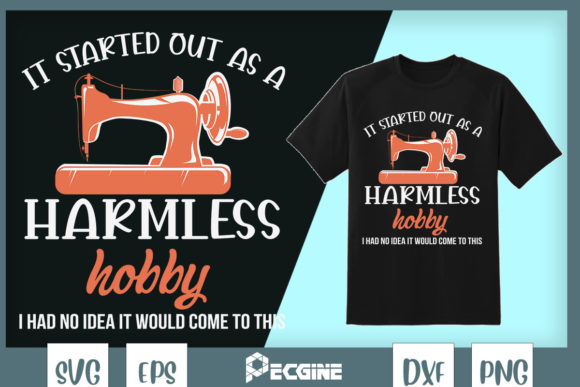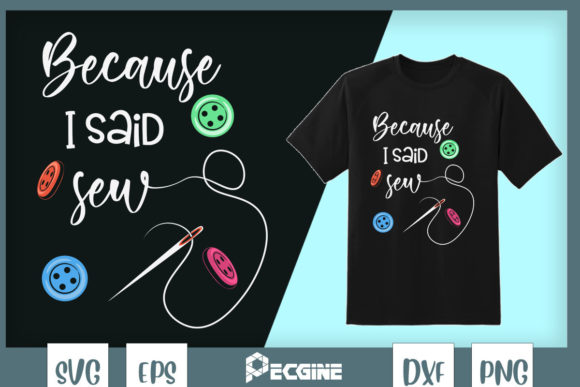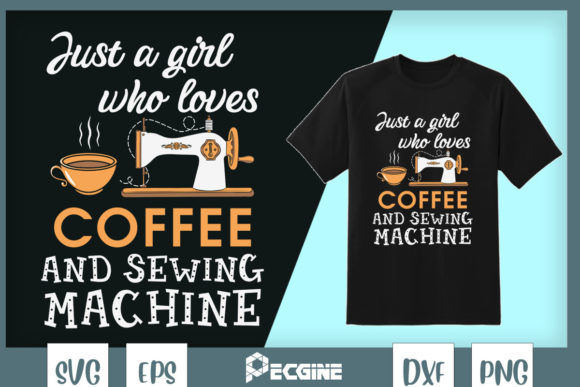
From T-Shirt Graphics to Brand Storytelling
The Immediate Appeal of Sewing and Quilting Sew Happy
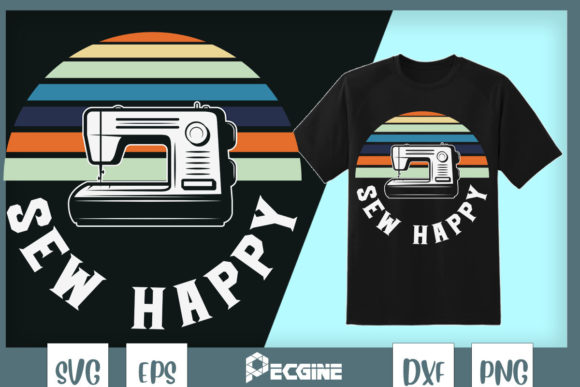
When a new graphic design asset arrives on my desk for a local business branding project, the first impression is everything. Sewing and Quilting Sew Happy offers a warm, friendly, and handmade mood right from the start. The decorative, joyful text suggests a brand personality that is approachable, passionate, and deeply connected to a creative community. For a client in the handmade, boutique, or craft-focused space—think a local quilting supply shop, a handmade children’s clothing line, or even a cozy, fabric-themed café—this asset feels like an instant fit. It’s not austere or corporate; it’s soft, playful, and personal.
Translating a T-Shirt Design into Full Brand Identity
As an experienced brand designer, my job is to see beyond the listed product category. While this asset is marketed as a T-Shirt Design, its core value lies in its versatility as a foundational graphic element. For a real project, like rebranding a local artisan bakery that specializes in hand-stitched cake decorations or a boutique selling heirloom-quality quilts, Sewing and Quilting Sew Happy can become the hero graphic. It can anchor a logo design, set the tone for packaging design, and provide decorative flourishes for everything from business cards to social media graphics.
Practical Applications for Local Business Visuals
Let’s imagine applying it to a client’s complete brand identity. The included SVG and EPS files mean this graphic is fully editable and scalable. This is crucial for professional branding. Here are concrete ways I would deploy it:
- Product Label & Packaging Accents: For a line of handmade quilting kits, this design could be the central motif on the box lid or a repeating pattern on the tissue paper wrap.
- Promotional & Social Media Graphics: Its cheerful nature makes it ideal for seasonal campaign visuals, like a “Spring Sewing Sale” banner for a website or Instagram.
- Brand Stationery: Think thank-you cards, hang tags for finished quilts, or even subtle watermarking on price lists and invoices.
- Decorative Brand Elements: It could be scaled down for a repeating border on a website footer or enlarged as a mural graphic in a physical store.
Strengthening Business Presentation with a Cohesive Graphic
A consistent visual identity built from a strong graphic design asset like this can transform a business’s presentation. Sewing and Quilting Sew Happy can help create a stronger first impression at market stalls or in online shops. It builds better product recognition—customers will associate that joyful typography with your brand’s quality. It establishes clearer visual hierarchy on packaging by providing a focal point. Most importantly, it moves a business from a collection of disparate visuals to a more consistent, trustworthy brand identity. This polish directly impacts customer trust and shelf appeal, whether digital or physical.
Where This Asset Finds Its Best Home
In my review for practical use, I see its strengths shining in specific areas. It works excellently as a hero graphic on product mockups for a new launch. It’s perfect for decorative accents on otherwise simple packaging for a candle brand using fabric labels. It can dominate promotional banners for a “Make & Create” workshop series. For a boutique selling handmade goods, it would elevate the visuals of thank-you cards and seasonal packaging, like holiday quilt bags.
Considerations for Professional Application
However, a professional review must also note where to use it carefully. The decorative nature means it should not overwhelm very small labels or crowded product packaging layouts, especially where ingredient lists or legal information are paramount. It might clash with the aesthetic of a luxury minimalist brand seeking stark elegance. On low-contrast backgrounds, legibility must be checked. The key is to let it support the brand story without competing with essential text.
A Brand Designer’s Checklist Before Client Use
Before integrating Sewing and Quilting Sew Happy into any commercial design project for a client, I follow a rigorous practical checklist. These notes ensure the asset performs in real-world small business branding.
- Test on Real Mockups: Place it on a digital packaging mockup for a quilted pillow or a fabric tag to see scale and impact.
- Check Versatility: Preview the PNG on small label sizes and test the SVG editability—can you adjust colors to match the brand palette?
- Assess Print Quality: For physical product labels and packaging design, verify the vector files produce crisp edges at all sizes.
- Contextual Comparison: Place the design beside your client’s chosen serif or sans-serif font to ensure harmony, and compare it visually with competitor packaging.
- License Confirmation: Absolutely confirm the commercial license allows use for client work, physical product sales, and all intended marketing visuals. This is non-negotiable.
The Final Verdict for Creative Entrepreneurs
For the small business owners, handmade sellers, and boutique owners looking to elevate their brand, a graphic like Sewing and Quilting Sew Happy is more than clipart. When approached with a strategic brand designer’s eye, it becomes a tool for building emotional connection and polished marketing visuals. It tells a story of happiness, craft, and care—a story that resonates with a dedicated audience. By applying it thoughtfully across packaging design, product labels, and promotional materials, you create a cohesive world for your customers to step into. That’s the true power of a well-chosen graphic design asset in local business branding.