Crafting Heartfelt Content: The Teddy Bear Design Asset
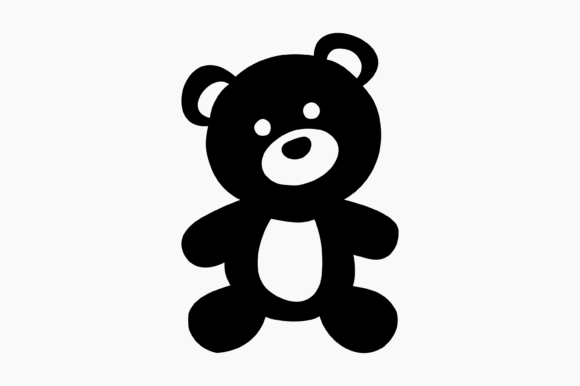
As a designer who builds blogs and publishes digital content every day, my first step with any graphic is to assess its editorial mood. This Teddy Bear design asset arrives with an immediate warmth. Its style leans into a playful, affectionate, and lifestyle-focused niche. It doesn’t scream “corporate”; it whispers “creative community.” This is a graphic that supports content aimed at parenting, childhood, handmade crafts, sentimental gifts, cozy lifestyles, and family-focused entrepreneurship.
The Visual Mood: Where This Teddy Bear Works Best
In my publishing workflow, mood dictates placement. This Teddy Bear graphic creates a sense of trust and approachability. Readers encountering it on a blog or in a newsletter instantly feel a content niche that is personal and nurturing. It’s perfect for blog posts about homemade gifts, craft tutorials, emotional storytelling, or family-oriented product reviews. The design feels inherently decorative and artistic, offering a visual anchor that is both clean and emotionally resonant.
From Digital Download to Dynamic Blog Graphics
The product description notes this is a digital item for instant download, with file formats like Svg, Png, Eps, and Dxf. This flexibility is a publisher’s dream. I can envision using this Teddy Bear not just as a static image, but as a core component in a system of blog graphics. For a craft blogger, it could become the consistent visual mark for a “Handmade Toys” category. For an affiliate marketer reviewing baby products, it could be the charming hero image that makes a page feel more trustworthy and clickable.
Real Publishing Applications: Beyond the Sticker
The suggestion to make stickers, t-shirts, or mugs is a creative starting point, but for a publisher, the applications are vast and directly tied to content performance.
- Blog Featured Images & Article Headers: Placed beside a headline about “The Comfort of Classic Toys,” this asset immediately establishes visual hierarchy and a stronger first impression.
- Pinterest Pins & Social Media Graphics: Its clear, recognizable shape makes it ideal for Pinterest pins and social media previews, where clarity drives click-through potential.
- Newsletter Graphics & Lead Magnets: Embedding it in a newsletter header for a series on “Crafting with Kids” adds professional polish. It can anchor a downloadable digital guide or worksheet, making that lead magnet visually cohesive.
- Digital Product Design: This Teddy Bear could grace the cover of an eBook on toy-making history or be featured within a Canva template sold as a media kit for family bloggers.
- Website Branding Accents: Used sparingly in sidebar graphics or as a decorative element in a site’s footer, it builds a stronger, more consistent visual identity for a niche site.
Where Visual Trust Meets Reader Engagement
Using such a design asset isn’t just about decoration; it’s about communication. In affiliate marketing content, a warm, professional-looking graphic like this Teddy Bear can improve reader trust beside a product recommendation. For an online educator offering a printable craft pattern, it signals quality and care, enhancing the perceived value of the downloadable resource. This directly supports content marketing goals by making pages look less generic and more purposefully designed.
Publisher Notes: Practical Tests Before Publishing
Before I slot any graphic design asset into a live editorial layout, I run practical tests. For this Teddy Bear, here’s my checklist:
- Thumbnail Visibility: How does it look when scaled down to a small blog sidebar thumbnail or a mobile social media preview? Its simplicity should hold up well.
- Layout Harmony: I preview it inside a real blog post beside text. I test it with different font styles—a friendly serif, a clean sans-serif, even a playful script—to ensure visual balance.
- Contrast & Readability: When used as a background accent for text, I check contrast levels carefully. It should not interfere with readability.
- Web Performance: I review the file size of the PNG for web use and compress it properly to avoid slowing down page load times.
- Commercial Confidence: For use on monetized websites, affiliate pages, or paid digital products, I always confirm the commercial license terms explicitly. The “unlimited use” mention is promising, but clarity is key for commercial design work.
Strategic Limitations: When to Use Carefully
Even the best creative design assets have contextual limits. This Teddy Bear’s playful, decorative nature means it should be used carefully in a few specific publishing scenarios:
- Serious Professional Niches: It would feel out of place on a corporate finance blog or a stark minimalist tech website.
- Busy, Text-Heavy Layouts: If an article image is already dense with infographics, adding this as an accent might clutter the visual system.
- Low-Contrast Backgrounds: Placing it on a similarly light or patterned background could cause it to visually disappear, weakening its impact.
Building a Cohesive Visual Library for Your Brand
For small business branding and content creators, a single asset like this Teddy Bear is a starting point. Think of it as a foundational piece in a larger library of design assets. You could use variations of it across all your touchpoints: your website header for the “Crafts” category, your Pinterest pins for gift guides, your newsletter graphics for seasonal content, and your downloadable printables for audience engagement. This repetition builds category recognition and a professional, intentional presence.
Ultimately, from my point of view as a blog designer, this Teddy Bear graphic is more than a cut file for physical crafts. It’s a tool for digital storytelling. It helps transform plain text into polished, emotionally connected visual content. It supports a publishing workflow that values aesthetic consistency, reader trust, and the quiet power of a well-chosen image to make content feel crafted, not just created.