A Pickleball Heart Design for Embroidery Projects
First Look: A Playful Fusion of Sports and Sentiment
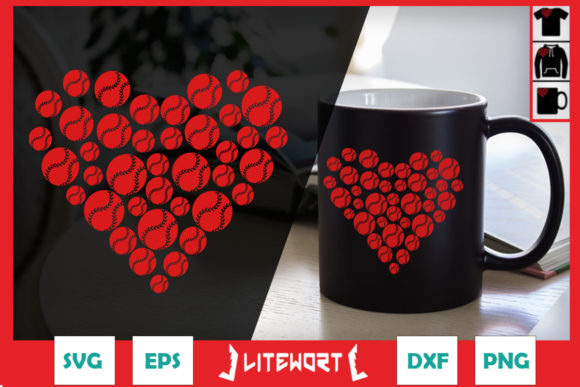
When you first open the Pickleball Love Heart Shape Valentine design, its charm is immediate. This isn't just a standard heart; it's a clever mash-up of a romantic symbol and a rising sports trend. The visual personality feels contemporary, friendly, and surprisingly versatile. The level of detail appears balanced—not overly dense, which suggests it will translate well into clean satin stitches and fill stitches without becoming a bulky, time-consuming project. My first impression is that this design creates a mood of lighthearted affection, perfect for a niche community that loves both the game and personalized expression.
Where This Design Finds Its Perfect Home
Thinking through real embroidery projects, this design naturally belongs on items for players, fans, and gift-givers. Imagine embroidering it onto a custom tote bag for a pickleball club member, or stitching it onto the back of a sweatshirt for a couples' tournament. It would be a standout personalized gift on a baby item for a family deeply into the sport, or a sweet, branded touch on a team apron. For Etsy sellers and small shop owners, this design could anchor a whole line of craft business merchandise: embroidered patches, pillow covers, or kitchen towels for the recreational kitchen. Its appeal is specific enough to feel special, yet broad enough for commercial use.
From Digital File to Stitched Reality
The included file formats—SVG, PNG, DXF, EPS—cover most digital embroidery and prep needs, making it a solid design asset. However, moving from screen to stitch requires practical judgment. On a mid-weight cotton tote bag, the heart shape and text should pop with good clarity. On a baby clothes item, like a soft jersey knit, you'd need to carefully manage stitch density and use the right stabilizer to prevent distortion. For a custom apparel project on a stretchy fabric like a performance t-shirt, the design's success hinges on proper hooping and potentially reducing the detail in the smallest elements.
Scenarios for Success and Points of Caution
Let's walk through a real case: preparing a holiday gift of an embroidered pillow cover for a pickleball-loving friend. The Pickleball Love Heart Shape Valentine would be centered, likely in vibrant thread colors. The visual appeal would be high, directly connecting to the recipient's passion, increasing the giftability and perceived value. For a small business owner creating craft fair products, this design on a tea towel could attract immediate recognition and engagement from a specific buyer group.
However, use it carefully on certain projects. The curved surface of a cap might challenge the symmetrical heart shape. On dark fabric, you'll need to plan thread color contrast strategically—a white or bright satin stitch border might be essential. If the design contains tiny interior lettering, test it first on scrap fabric to ensure stitching clarity. Avoid very small hoop sizes if the design is intricate; you need space for the details to breathe. For products needing frequent washing, like baby embroidery or kitchen towels, a robust stitch execution and quality threads are non-negotiable for longevity.
How This Design Impacts Your Project Outcome
Using a design like Pickleball Love Heart Shape Valentine affects more than just aesthetics. It boosts customer trust when they see a product that speaks directly to their interest. For creative entrepreneurs, it supports brand consistency if your shop caters to sports or niche hobbies. The handmade presentation feels thoughtful and professional, far beyond a generic graphic. In commercial embroidery projects, such a recognizable theme can expedite buyer decision-making, as they instantly understand the product's purpose.
Practical Notes Before You Hoop the Fabric
Before running this embroidery file on your final project, here are my designer notes. Always test the design on scrap fabric first, using the same material and stabilizer as your final product. This reveals any issues with stitch density or fabric texture interaction. Check how it looks in black and white mockups to assess its form independent of color. Compare it on both light and dark fabric backgrounds in your software to plan your thread palette.
- Review the small details in the provided files. Are there fine lines or corners that might require a specific stitch type?
- Confirm the effective hoop size needed for clean execution—this is not always stated in the file, so preview it in your machine software.
- Use proper stabilizer; a heart shape with interior elements on a thin fabric like a linen towel might need a firm backing.
- Most critically, check whether the design works for both personal and commercial projects by confirming the licensing terms from the seller before selling finished items or incorporating it into your digital product previews.
A Design Ready for Real-World Stitching
The Pickleball Love Heart Shape Valentine stands out as a graphics package with clear practical potential in the crafts world. Its strength is its targeted yet warm theme. It’s not a design you’d use everywhere, but where it fits—on a tournament giveaway, a boutique’s sporty personalized products, or a wedding gift for a couple who met on the court—it will stitch up into a memorable, engaging finished product. Approach it with the standard precautions of any machine embroidery design, and it should translate from a digital download to a stitched item that genuinely connects with its audience.