A Visual Designer's Review: Arabian Coffee Background Graphics
The First Pour: Setting the Mood with a Heritage Motif
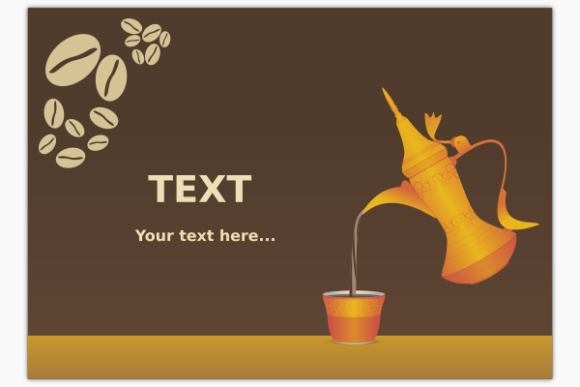
When I first opened the Arabian Style Coffee for Text Background asset, my immediate impression was one of warmth and cultural specificity. This isn't a generic coffee graphic; it’s a narrative. The elegant dallah pot pouring into the finjan cup, accompanied by the silhouette of beans, creates a distinct mood of tradition, craftsmanship, and hospitality. It speaks to a client looking for authenticity, heritage, or a connection to Middle Eastern culture. For a boutique roastery, a handmade ceramics shop, an event planner organizing a cultural festival, or an Etsy seller offering themed printable art, this design asset feels instantly appropriate. The style is illustrative yet clean enough to serve as a versatile background, not just a focal illustration.
Where This Asset Thrives in Real Client Projects
In practical design work, this editable SVG vector shines in areas where mood and theme are paramount. I envision it working beautifully for large layout areas like poster or banner templates, where the detailed pouring motion can be appreciated. It’s excellent as a hero graphic for a website promoting a specialty coffee brand or a cultural event invitation. The silhouette nature of the beans makes it a superb decorative accent for product mockups—think of it etched subtly on a mockup of a coffee bag label or a ceramic mug. For themed collections, like a series of social media graphics for a Ramadan campaign or a launch for an online product line of Arabic spices, it provides consistent visual thread. In packaging design, it could be used as a delicate background pattern on a box or tissue paper, adding an layer of sophistication without overwhelming the primary information.
Versatility Across Formats: From Print to Digital
The true test of a graphic design asset is its adaptability. Here, the Arabian Style Coffee background holds up well. As an SVG, it's infinitely scalable for print-on-demand products like t-shirt design or tote bags without loss of quality. For printable wall art or a Cricut project creating custom stickers, the vector format is essential. Its structure also makes it suitable for digital ads, Pinterest pins, and Instagram posts, especially when you need a graphic that feels more artistic than a standard stock photo. For a blogger or content creator focusing on food, travel, or craft, it can elevate blog visuals or editorial design with a unique background texture. In Canva templates created for small business branding, this asset can be a key component for building a cohesive visual identity.
Designer Caution: Points of Careful Application
Like any creative asset, this one demands thoughtful placement. Its greatest weakness would be in small sizes or crowded layouts. The fine lines of the pouring stream and bean details could become muddy or indistinct on a small product label or a busy flyer. I would avoid using it on complex backgrounds where the silhouette loses its definition. For projects requiring very clean visual hierarchy, such as a professional corporate report or minimalist branding for a modern tech startup, this asset’s decorative nature might clash. The key is to let it support, not dominate. It should enhance the mood without competing with critical text or primary logos.
Readability and Professional Polish
The core function as a text background means we must scrutinize its impact on readability. The illustration is relatively open, with the pouring action creating a central flow that can cleverly frame text. However, successful use depends on contrast. Placing dark text directly over the denser bean silhouette area would harm legibility. In practice, I’d likely use it with a semi-transparency effect or position text blocks in the cleaner negative spaces around the pot and cup. This maintains the emotional appeal and audience engagement the graphic offers—evoking warmth and tradition—while ensuring the final design project feels professional and trustworthy. It helps a brand feel curated and intentional, not generic.
Practical Notes Before Final Client Delivery
Before committing this asset to a commercial design project, a designer must run a few checks. First, test it in black and white to see if the silhouette holds its form without color—crucial for some print-on-demand processes or cost-effective printing. Check contrast by placing it on both light and dark backgrounds in your mockups. Preview it at the actual sizes you’ll use: does it look crisp as a small web graphic and elegant as a large poster? If the file includes PNG transparency, inspect the edges for clean cuts. For the SVG, verify the editability; can you easily ungroup elements to change stroke colors or isolate the beans for a different use? Crucially, compare it with your chosen typography. This background pairs naturally with serif fonts for a traditional feel or elegant script fonts for a handwritten, artisan mood. Sans serif fonts might require more careful spacing to feel cohesive. And the absolute first step: confirm the commercial licensing. Using it for a client or business project requires clear rights, a non-negotiable for professional marketing visuals.
Final Impression: A Niche Asset with Broad Creative Potential
The Arabian Style Coffee for Text Background is a niche graphic design asset with surprisingly broad application. It won’t fit every project, but for the clients and campaigns it does align with—handmade businesses, cultural events, specialty food branding, themed digital products—it provides a ready-made layer of polish and specific mood. It saves design time searching for authentic illustrations and offers the flexibility of a vector for scalability across merchandise, packaging, and digital design assets. In a creative marketplace flooded with generic clipart, this kind of thoughtful, culturally-rich illustration stands out. For the designer tasked with conveying warmth, heritage, and craftsmanship, it’s a tool worth having in the kit, provided it’s applied with the careful, practical judgment that separates a hobbyist visual from a professional brand identity.