A Designer's Review of the Music Notes Treble Clef Asset for Crafts & Graphics
When a client project lands in my inbox, my first task is to assess the visual toolkit. For a recent concept for a boutique music shop’s rebranding, I evaluated the Music Notes Treble Clef digital asset. This wasn’t about a generic product description; it was a practical design judgment: would this element elevate the client’s marketing visuals, packaging, and social media presence?
First Impression: A Decorative, Nostalgic Accent
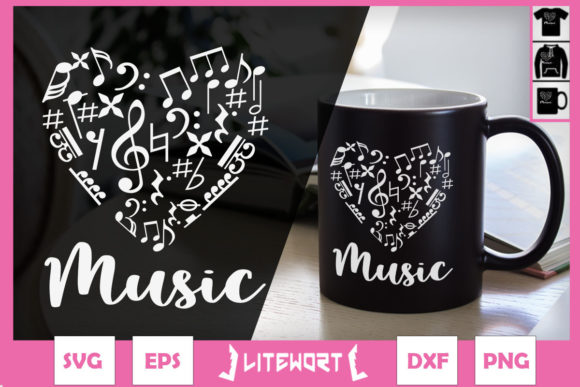
The initial glance tells me this is more than basic clipart. The treble clef intertwined with flowing notes creates a decorative, almost nostalgic mood. It feels illustrative and carries a sense of classic elegance mixed with creative freedom. This isn’t a sterile, corporate graphic. It naturally fits clients in the creative marketplace—handmade businesses, Etsy shops selling musical-themed crafts, or small business branding for local music events, instrument retailers, or educational publishers. The style leans towards thematic, decorative design rather than minimalist branding.
Where This Design Asset Excels in Real Client Projects
In real design situations, the Music Notes Treble Clef performs well as a supporting brand element or a hero graphic for specific campaigns. For logo design, it could serve as a secondary mark or decorative icon for a brand identity system, provided the primary logo is suitably clean. Its strength shines in product labels and packaging design for themed collections—think gift boxes for sheet music, stickers for instrument cases, or details on tote bags and merchandise.
For marketing visuals like posters, flyers, and invitations for a concert or workshop, it provides an instant thematic anchor. In digital design, it works beautifully as a large graphic on website hero sections, as a recurring visual in blog posts or editorial design about music, or as a focal point in Pinterest pins and Instagram posts announcing a new product line. As a printable design, it’s ideal for wall art in a music studio or classroom. The included file formats—SVG, PNG, EPS, DXF—are crucial for this versatility. The SVG file means it’s scalable and editable for Cricut projects like cutting vinyl stickers or fabric for t-shirt design, while the PNG with transparency is ready for quick social media graphics or Canva templates.
The Ideal Canvas: Large Layouts and Decorative Details
This graphic design asset works best given space to breathe. Use it in large layout areas, as a product mockup overlay on a clean background, or as a decorative accent on packaging details where the intricate notes can be appreciated. It’s perfect for building a themed collection of campaign visuals, where a consistent musical motif runs across different mediums.
Caution Areas: Small Sizes and Complex Backgrounds
Professional discretion is needed, however. At very small sizes, the intricate notes may become a muddy texture, losing clarity and harming visual hierarchy. Avoid crowded layouts where it competes with other complex elements. Placing it on low-contrast or overly patterned backgrounds will diminish its impact. For projects requiring ultra-clean visual hierarchy, like a professional corporate annual report, this asset would likely feel too ornate. Its emotional appeal is its strength, but that must match the project’s required professionalism.
Impact on Brand Consistency and Audience Engagement
Integrating such an element affects the overall project impression. Used thoughtfully, it boosts visual trust and recognition for a niche audience—crafters and music lovers instantly grasp the theme. It adds emotional appeal and can significantly increase engagement on social media graphics where the visual tells a story before the text does. However, brand consistency demands that if used, it should be part of a coordinated suite of assets, not a one-off oddity. It can make a design project feel more polished and intentionally crafted, which is perfect for a handmade business or digital seller targeting a specific community.
Practical Designer Notes Before Commercial Use
Before committing this to a client’s commercial design project, I run a few essential tests. First, I view it in black and white to ensure the forms hold up without color dependency. I check contrast by placing it on both light and dark backgrounds. I preview it at the intended final sizes—both tiny on a web button and large on a poster mockup. I place it on real product mockups, like a mug or packaging template, to see how it integrates.
For print-on-demand or sublimation design, I test a small print proof to check line quality. I inspect the PNG’s transparency edges and open the SVG in a vector editor to confirm editability if the client needs minor adjustments. I also compare it alongside different font styles—a serif font might complement its classic feel, while a clean sans-serif could modernize it. Crucially, I confirm the commercial license, ensuring my client’s business can use it freely in their products and marketing visuals. This due diligence turns a creative design asset into a reliable professional tool.
Final Judgment: A Versatile Tool for Thematic Projects
The Music Notes Treble Clef, as a digital product, proves to be a versatile and useful creative asset. It won’t suit every project—it’s not a generic, neutral base. But for the right client project aiming for a decorative, music-themed aesthetic across crafts, graphics, and marketing materials, it provides a polished, ready-to-use foundation. It saves design time, offers multiple format flexibility for both digital sellers and crafters, and injects a specific mood that can elevate a brand’s visual storytelling. In my toolkit for themed work, it earns its place.