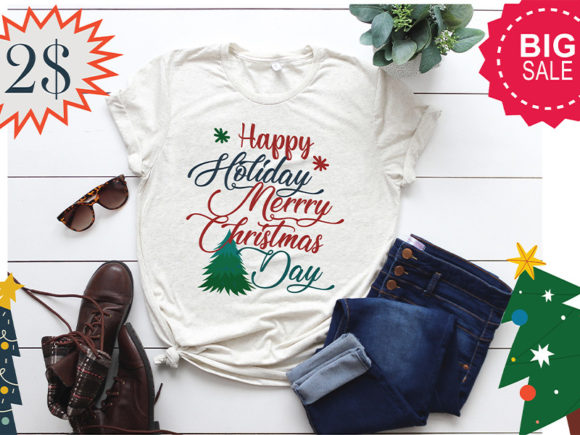
A Designer's Take on the "Happy Holiday Merry Christmas" Embroidery File
As someone who has stitched thousands of designs for clients and my own shop, my first question about any holiday file is simple: does it feel like the season? The "Happy Holiday Merry Christmas" design passes that test immediately. It has that cheerful, slightly retro vibe that feels both warm and playful. The layout isn’t overly complex, which is a good sign. It suggests a design built for clean stitching, not just for screen graphics.
The Mood It Creates & The Projects It Calls For
This design leans into pure holiday joy. It’s not overly formal or religious; it’s simply festive. That personality makes it incredibly versatile for gift items and handmade merchandise. I can picture it perfectly on a cozy sweatshirt for a family photo, as a bright accent on a kitchen towel for a hostess gift, or as a sweet, small motif on a baby’s holiday bib. The wording blends "Happy Holiday" and "Merry Christmas," which has a inclusive, modern feel, appealing to a broad audience for small business products.
For crafters and Etsy sellers, this is a strong candidate for what I call "holiday staples"—those items you stock every season. Think embroidered tote bags for Christmas market shopping, simple pillow covers for seasonal decor, or patches that can be applied to aprons or caps. Its graphics-based origin means the shapes are likely clear and defined, which translates well into satin stitches for lettering and fill stitches for any decorative elements.
Where This Design Will Really Shine
Let’s talk about real projects. Imagine you’re preparing a batch of custom embroidered tea towels for a boutique. You want a design that stitches quickly, reads clearly from a few feet away, and washes well. "Happy Holiday Merry Christmas," with its presumably bold lines, would be a contender. On a heavyweight sweatshirt or a canvas tote bag, the stitches will lay nicely, and the festive message will pop, increasing the perceived value of the handmade product.
For apparel decorators, this design feels ideal for the center of a t-shirt or the front of a lightweight hoodie. It’s a statement piece. On a gym bag or a protein shaker cup (as mentioned in the product description), it would function more as a personalized decal, but the embroidered version would offer a tactile, premium feel that vinyl cannot. As a digital embroidery file, its true strength will be in these tangible, touchable applications.
Points of Caution for a Smooth Embroidery Project
No design is perfect for every scenario. With a holiday design like this, the main considerations come from the details. If the lettering is particularly small or script-like, it could become a challenge on textured fabrics like a sweater or on curved surfaces like a cap. Tiny, dense satin stitches in small letters can get lost or pucker.
I would be cautious about stitching it onto very thin or stretchy fabrics without extensive testing. The stitch density, which we don’t have specifics for, could be too high for a lightweight t-shirt, leading to distortion. Similarly, on dark fabrics, the color palette—which you’ll need to plan from the graphic—must have enough contrast to remain vibrant and legible. Always test on a scrap of your final fabric first. This is non-negotiable for professional results.
Also, consider the product’s life. A pillow cover or nursery decor item won’t see the same wear as a baby’s outfit or an everyday apron. For items needing frequent washing, ensure you’re using quality thread and proper stabilizer to keep "Happy Holiday Merry Christmas" looking crisp season after season.
How This Design Impacts Your Craft Business
From a commercial perspective, a clear, well-executed embroidery design builds customer trust. When a holiday sweatshirt or gift towel has clean, professional stitching, it reinforces the quality of your entire brand. This design, by seeming straightforward and cheerful, can enhance that handmade presentation. It feels giftable and recognizable, which directly boosts buyer engagement in an Etsy listing or at a craft fair.
For digital product sellers offering the file itself, its versatility as described—from decals to t-shirts—is a selling point. But for embroidery specialists, the focus is on the stitched outcome. A good graphic file needs to become a great embroidery file. That transition depends on the digitizing quality, which you should assess by running a test stitch.
Practical Notes From the Hoop
Before committing this to a client’s order or your holiday product line, do your homework. Stitch it out. Review the actual stitch density and look for any potential trouble spots like overly intricate corners or jumps. Check that your standard hoop size can accommodate it without needing awkward repositioning.
Create mockups, both in digital previews and on actual light and dark fabric scraps, to see how the thread colors interact with the background. This informs your material choices. Always, always confirm the licensing terms for commercial use if you plan to sell the finished embroidered products. The product category is listed as T-Shirt Designs and Graphics, which often implies commercial use, but verification is a cornerstone of a reputable craft business.
In the end, "Happy Holiday Merry Christmas" strikes me as a practical, festive asset. It’s not trying to do too much, which in embroidery, is often the key to a successful project. It promises to deliver holiday spirit in a stitch, and with careful application on the right products, it will do just that.