A Close Look at the American Flag Barber Embroidery Design
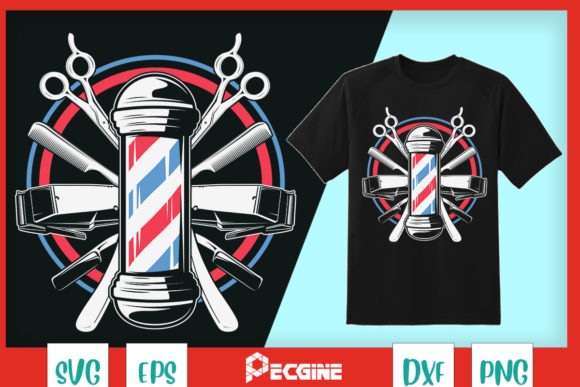
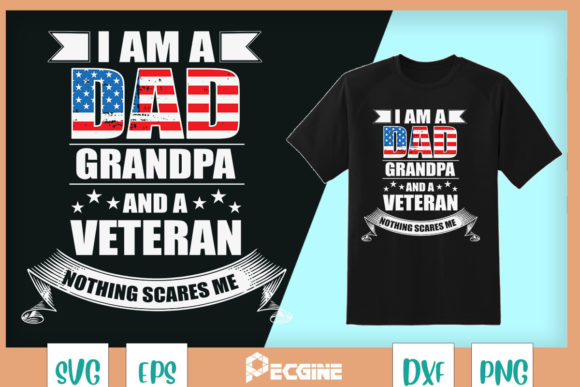
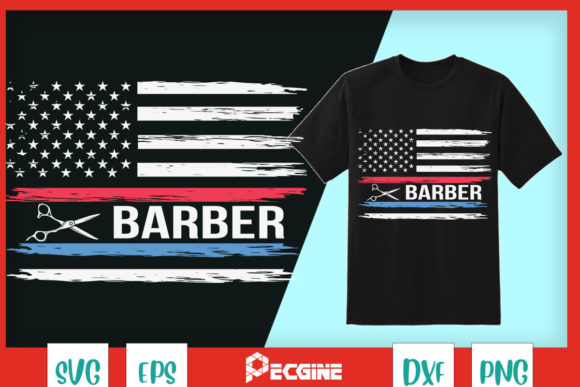
When I first opened the American Flag Barber file, my immediate thought was, "This is a confident design." It isn't a timid graphic; it’s built with clean lines and a bold, classic theme that feels ready to stitch. The combination of the barber pole motif with the American flag creates a visual personality that is both patriotic and skill-oriented. It evokes a sense of craftsmanship and tradition, a mood that’s perfect for clients who value heritage and quality.
The Natural Habitat for This Design
This design isn’t just for t-shirts, despite its categorization. Its strong, graphic nature makes it a versatile candidate for a wide range of real-world projects. I pictured it immediately on a heavyweight cotton sweatshirt for a local barber shop’s staff apparel—the details would hold up beautifully on that fabric texture. Similarly, embroidered onto a canvas tote bag, it would become a statement piece, a durable and handsome accessory.
For crafters and small business owners, the applications are plentiful. Think of a crisp white apron for a stylist, a custom patch sewn onto a barber’s work jacket, or even a decorative pillow cover in a retro-themed salon waiting area. The design carries a giftable quality; it would be a thoughtful personalized gift for a barber or veteran who appreciates the symbiosis of these two iconic symbols.
A Real Scenario: Crafting a Boutique Tote
Let’s walk through a practical example. Imagine you’re an Etsy seller preparing a custom embroidered tote bag for a client's small business branding. You load the American Flag Barber file, select a rich navy blue canvas for the bag, and plan your thread colors. The design's layout, with its stripes and pole, offers clear areas for color blocking. The concern here isn’t complexity, but clarity. On a textured fabric like canvas, you need to ensure the satin stitch borders and fill stitch areas are dense enough to stand proud and not get lost in the weave. A good stabilizer is non-negotiable for this project to maintain that sharp, professional finish that builds customer trust.
Where Its Strengths Will Shine
On stable, medium-weight fabrics, this design will perform exceptionally well. Think polo shirts, denim jackets, tea towels, or linen pillow covers. The bold shapes translate well into machine embroidery, creating a high visual appeal that enhances the perceived value of the finished product. For apparel decorators and makers, this kind of recognizable, well-executed design boosts brand consistency for businesses and creates strong buyer engagement in online mockups. It looks professional.
It’s also a fantastic asset for digital product sellers creating printable mockups or for crafters making holiday gifts like patriotic-themed throw blankets or nursery decor for a military family. The provided file formats, like SVG and PNG, are directly useful for these digital applications and previews.
Practical Considerations & Careful Applications
However, like any embroidery file, its application requires some thoughtful judgment. The areas of potential challenge are where you, as an experienced designer, need to pay attention.
First, on small hoop sizes or petite items like baby clothes or caps, the design’s details might need scaling down, and you must inspect how the smaller elements, like the pole’s stripes, translate. Tiny lettering isn’t present here, but the condensed stripes could become dense if reduced too much. On stretchy fabric like a thin t-shirt, stitch density and stabilizer choice are critical to prevent puckering and maintain stitching clarity after frequent washing.
Embroidering on dark fabric demands careful thread color contrast planning—the white and lighter reds need to pop. Similarly, on a curved surface like a cap, the design's rectangular layout might need slight adjustment to sit correctly. Always test the design on scrap fabric first. This isn’t just a step; it’s your insurance policy for the final handmade product.
Notes from the Embroidery Table
Before committing this to a client project or your small shop merchandise, run a few checks. Test the design in both black and white mockups to see its silhouette strength. Compare how it looks on a light versus a dark fabric background in your software. Review the stitch density in your machine’s preview; some graphics files can produce unexpectedly heavy fills that might be tough on delicate fabrics.
Most importantly, as this is a commercial embroidery asset, confirm the licensing terms before selling finished items. The product description mentions it includes design files for use, but the specifics of commercial versus personal use are not detailed here. It’s your responsibility to verify that your craft business or commercial embroidery projects are covered.
The Final Stitch: A Design with Purpose
The American Flag Barber design isn’t a frivolous graphic. It’s a purposeful, bold statement piece. In real-life embroidery situations—from a simple kitchen towel for a gift to a full line of boutique product labels—it holds its ground. It affects visual appeal positively by being clean and thematic. It can elevate a simple garment into a custom apparel piece with narrative.
For creative entrepreneurs and makers, its value lies in its adaptability and strong mood. It feels authentic. Whether you’re preparing for a craft fair or building your digital product inventory, this design offers a solid foundation. Approach it with the practical steps of a seasoned embroiderer: test, plan your fabric and thread, and respect its scale. Then, stitch it with confidence, knowing it’s likely to become a finished product that resonates with its wearer and viewer alike.