A Barber Pole Design That’s More Than Just a Joke
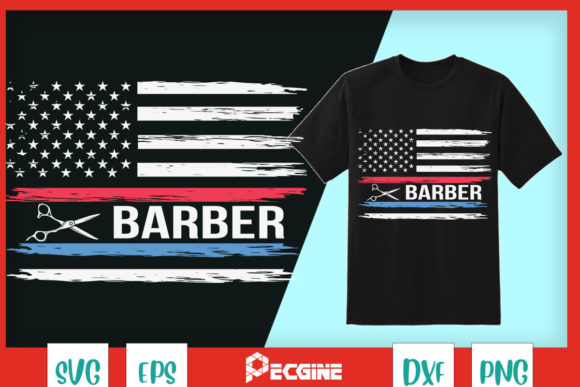
Whenever I get a new embroidery design to review, I put it through the lens of real project work. How will it stitch out? Where does it belong? And importantly, who is going to love it? The "Funny Barber Barbershop Pole Tools" design immediately presents itself as a playful graphic, but as an experienced designer, my job is to see beyond the humor to its practical application in embroidery.
The Immediate Personality: Whimsy with Professional Polish
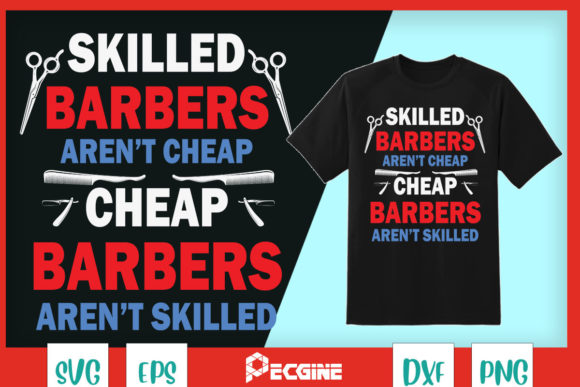
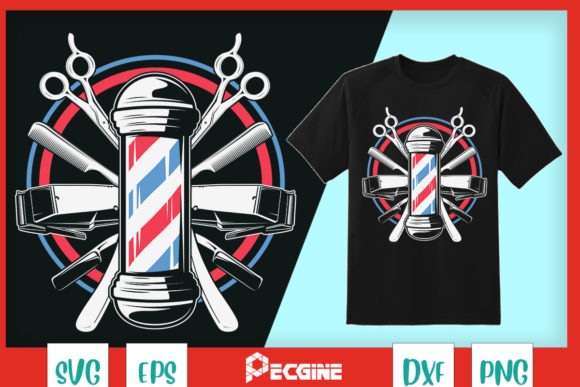
First impressions matter, both for me as a crafter and for my customers. This design has a clear, whimsical personality. The classic barber pole is reimagined with tools—a charming twist that speaks to both tradespeople and those who appreciate a lighthearted take on a traditional symbol. The layout is bold and graphic, which is excellent news for embroidery. Shapes are well-defined without overly intricate detail, suggesting it will translate cleanly into stitches. It creates a mood of friendly professionalism, a nod to skill with a smile. This isn't a generic clip-art graphic; it has a visual personality that feels crafted.
Where This Design Finds Its True Home
In my studio, I think about the end product. This machine embroidery design isn't just for t-shirts, despite its category. Its strength lies in its adaptability. I envision it perfectly stitched onto a heavyweight cotton tote bag for a barber shop’s loyal client, or as a standout feature on the back of a relaxed-fit sweatshirt. The graphic nature makes it a fantastic candidate for an embroidered patch, which could then be applied to aprons, caps, or even a barber's own toolkit. For a personalized gift, imagine it on a high-quality kitchen towel for a stylist who loves to cook, or as a focal point on a pillow cover in a retro-themed salon waiting area. For small business merchandise, this is exactly the kind of unique, conversation-starting artwork that helps a boutique or Etsy shop stand out.
Real-Life Scenario: The Custom Barber Appreciation Gift
Let's walk through a real project. A client requests a custom embroidered tote bag as a retirement gift for a beloved local barber. I choose a sturdy canvas fabric. This design is ideal because its clear, bold shapes will hold up beautifully on a bag that gets daily use. The humorous element makes the gift personal and memorable, not just a logo. I’d likely opt for vibrant reds and blues for the pole and classic black or silver for the tools, ensuring strong thread color contrast. Stitching this onto the bag adds significant perceived value—it’s a handmade product with thought behind it, elevating it from a simple purchase to a cherished keepsake. That’s the power of a well-chosen embroidery file in action.
Performance Notes: Where to Use Caution
Not every design fits every context. While "Funny Barber Barbershop Pole Tools" has a robust graphic layout, some considerations are crucial for professional results. On very small hoop sizes, the tools and pole details might lose clarity; I’d recommend a medium to large scale for best stitch definition. On highly textured or stretchy fabrics like certain knits, the clean lines could become slightly distorted without the correct stabilizer. Embroidering onto dark fabric backgrounds requires careful thread selection to maintain the design’s playful vibrancy—bright whites and metallics might be needed. For items like curved caps, the design’s relatively rectangular shape would need thoughtful placement to avoid awkward gaps. And, crucially, for products that will undergo frequent washing, like baby clothes or tea towels, testing stitch density on scrap fabric first is essential to ensure longevity.
The Impact on Your Craft Business
Using a design like this isn't just about making a thing; it's about building an impression. For Etsy sellers and craft fair vendors, it offers a niche product that attracts a specific audience—barbers, their clients, fans of vintage trades, or people looking for a witty gift. It enhances customer trust when the finished product shows crisp stitching and professional execution. For your own brand consistency, if your shop leans toward humorous or trade-themed items, this design fits a curated collection. Its immediate recognizability aids in buyer engagement—people understand the joke and the craft instantly. As a digital embroidery file, its provided formats like SVG and PNG are valuable for creating printable mockups to preview products, which is a key step in selling digital design assets or showcasing your finished work online.
Practical Designer Takeaways Before You Hoop
Before I commit any design to a client project, I follow a personal checklist. For "Funny Barber Barbershop Pole Tools," here’s what I’d do. First, always test the design on scrap fabric identical to your final project material. This reveals how the stitch density behaves and whether any small details, like the tool handles, need adjustment. Check it in both black and white digital product previews to gauge its versatility. Compare how it looks on light and dark backgrounds virtually before choosing threads. Confirm the licensing terms for the file—can it be used for commercial embroidery projects where you sell the finished item? This information is not provided in the basic description, so you must verify it with the seller. Finally, consider its use as an applique design possibility; the bold shapes could be fantastic with fabric layers, adding another dimension to your handmade product.
Beyond the Stitches: The Lasting Appeal
At its core, evaluating an embroidery design is about foreseeing its life after the machine stops. "Funny Barber Barbershop Pole Tools" has that lasting appeal. It’s more than a graphic; it’s a story stitched into fabric. It would make a holiday gift for a father who’s a barber, a fun addition to a nursery for a baby with a family trade heritage, or a branded item for a small shop that values craftsmanship and humor. The design doesn’t rely on hype; it relies on a clear, well-executed idea that translates reliably into the tactile world of embroidery. For the designer, the small business owner, the crafter looking for a project with both character and commercial sense, it’s a file worth considering. Just remember to do your practical homework first—that’s what separates a good project from a great finished product.