Arabica Coffee Premium Beans: A Designer's View for Real Embroidery Projects
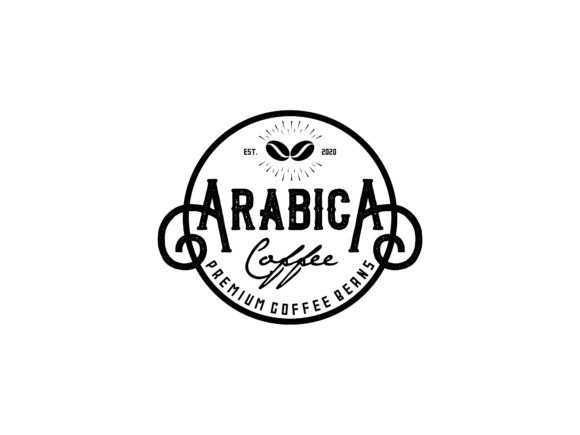
When I sit down to evaluate a design for embroidery, I’m not just looking at a picture on a screen. I’m imagining how those lines will translate into stitches, how it will feel on fabric, and how a customer will react when they see the finished piece. That’s the lens I’m using with the Arabica Coffee Premium Beans vector logo. This is a review from the perspective of someone ready to load this embroidery file and create something tangible.
The Warm, Welcoming First Impression
The Arabica Coffee Premium Beans design immediately strikes me as a friendly, premium graphic. The layout feels balanced and approachable, not overly corporate or stark. It creates a mood of warmth and quality—the kind of visual that suggests a cozy cafe, a carefully crafted gift, or a small business proud of its artisan roots. The detail level in the provided vector files seems crisp, which is promising for clean stitch definition. This isn’t a loud, flashy graphic; it’s a confident, quiet statement that belongs on products where a sense of crafted care is the selling point.
Where This Design Naturally Finds a Home
Let’s talk real projects. I’m picturing a custom embroidered tote bag for a local coffee roastery, or a beautifully executed patch on a barista’s apron. It would be a charming, subtle addition to a kitchen towel or a pillow cover in a home that loves its espresso. For a creative entrepreneur, this design could be the centerpiece of a holiday gift line—think embroidered blanket throws or personalized sweatshirts for coffee lovers. The theme is versatile: it works for boutique merchandise, nursery decor for parents who are caffeine aficionados, or as a clean, professional accent on caps for a small cafe’s staff. Because it’s categorized as Logos and Graphics, its strength lies in branding and identity, making it perfect for small shop products and craft business items where visual consistency matters.
Thinking Through the Stitch: Practical Performance Notes
How will Arabica Coffee Premium Beans perform when the machine starts running? On apparel like t-shirts and sweatshirts, the design’s clarity will be key. I’d be mindful of stitch density, especially in any fill stitch areas representing the beans or text. On textured fabrics, like a coarse tote bag, you’ll want to test on scrap first to ensure the finer details don’t get lost. For dark fabric backgrounds, thread color contrast becomes paramount—this design likely relies on lighter threads for the beans and darker shades for outlines, so a mockup in black and white can help plan.
Curved surfaces like caps can be tricky. The design’s layout should be checked for how it distorts on a smaller hoop size. Similarly, on thin or stretchy fabric, using a proper stabilizer is non-negotiable to maintain the integrity of those clean lines. For products destined for frequent washing, like baby clothes or tea towels, I’d review the stitch structure to ensure it’s durable. The small details, potentially in any lettering or decorative accents, need to be inspected in the actual embroidery file to confirm they’ll be clear and not too dense.
A Scenario: Crafting a Cozy Holiday Gift
Imagine you’re preparing a limited run of embroidered pillow covers for your Etsy shop this holiday season. You choose a soft, linen blend. The Arabica Coffee Premium Beans design is hooped. As it stitches, you watch the satin stitches building the bean shapes, the running stitches creating the outline. The finished piece has a handmade presentation that feels premium—it’s not just a graphic; it’s a tactile, quality product. This elevates the product value and builds customer trust. A buyer isn’t just getting a pillow; they’re getting a recognizable, professional piece of craft that fits a specific, welcoming aesthetic. That’s the engagement this design can foster.
Caution Areas: Where to Proceed with Care
Every design has its sweet spots and its challenging applications. For this one, I’d be careful with very small hoop sizes. Shrinking it down for a tiny patch on baby clothes might compress the details too much. Layered garments with complex seams could interfere with the clean layout. The design’s visual appeal hinges on clarity, so on fabrics with a lot of texture or stretch, extra testing is a must. Always check how the design works on both light and dark backgrounds before committing to a production run. This isn’t just about aesthetics; it’s about ensuring your finished product looks intentional and professional, maintaining brand consistency for your craft business.
Essential Designer Notes Before You Hoop
My final thoughts are a list of practical steps I take before any project. First, always test this embroidery file on scrap fabric of the same type you intend to use. This reveals everything about thread color contrast, potential puckering, and detail clarity. Review the actual file in your software to understand the stitch types—are there large fill stitch areas? How is the satin stitch used? Confirm the hoop size needed for your desired output. Crucially, check the licensing terms provided with the zip file. The fact that it includes EPS, PNG, SVG with transparent background at 300 dpi suggests it’s meant for versatile use, but you must confirm whether your use—for personal gifts or commercial embroidery projects like selling digital product previews or finished merchandise—is permitted. Never assume.
This Arabica Coffee Premium Beans design has the feel of a reliable, appealing asset. In the hands of a thoughtful maker, it can become a beautiful embroidered patch, a beloved custom apparel item, or a standout piece in a small shop’s collection. Its value isn’t just in the download; it’s in the careful, practical application that transforms a vector graphic into a stitch-perfect, real-world product.